
Auburn Clearway Restoration
Flood Cleanup Auburn, WA
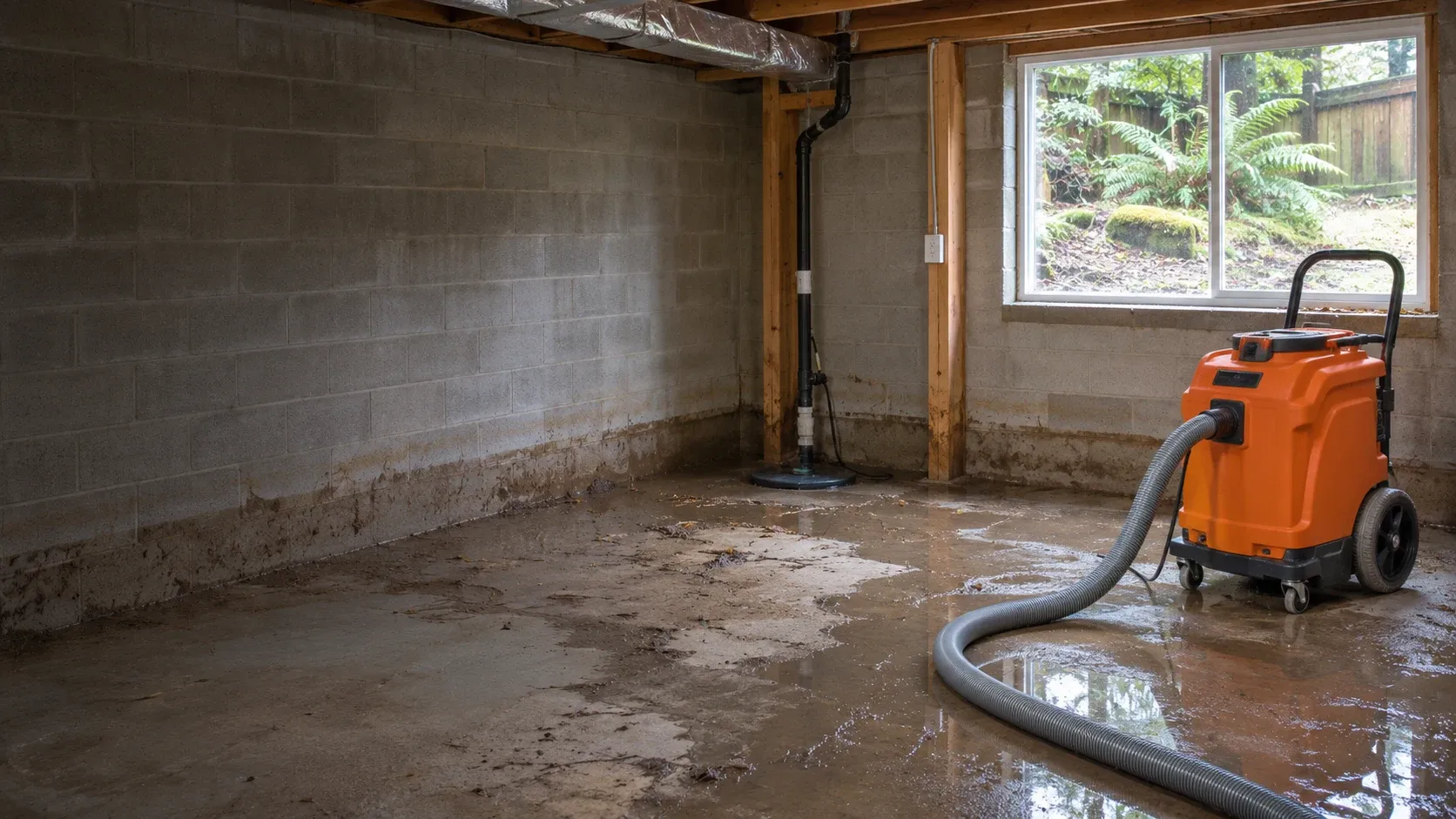
Floodwater can leave mud across floors, soak insulation, and reach rooms that were never directly underwater. Auburn Clearway Restoration provides flood cleanup in Auburn, WA, for homeowners and property managers facing this damage. We remove water and debris, assess contaminated materials, and dry affected areas before repairs. Contact us once the property is safe to enter.
- 24/7 Emergency Response
- WA Registered, Bonded & Insured
- IICRC-Certified Technicians
First steps
What to Do After Floodwater Enters Your Property
Do not walk into a flooded room until it is safe. Water can hide electrical hazards, sharp debris, and contamination.
Follow evacuation instructions. Stay out of areas closed by emergency officials, even if the water looks shallow.
Avoid contact with floodwater. Keep children and pets away from muddy water, wet carpet, and exposed debris.
Document damage when safe. Photograph water marks, affected belongings, and visible mud before cleanup begins.
Arrange professional flood cleanup. Have the water source, contamination, and affected materials assessed before attempting to dry the property.
Never switch on electricity or enter a flooded building when electrical safety is uncertain.
Signs Your Home Needs Flood Damage Cleanup
Even shallow floodwater can damage a room. Check these conditions once entry is safe.
Mud and Silt on Floors
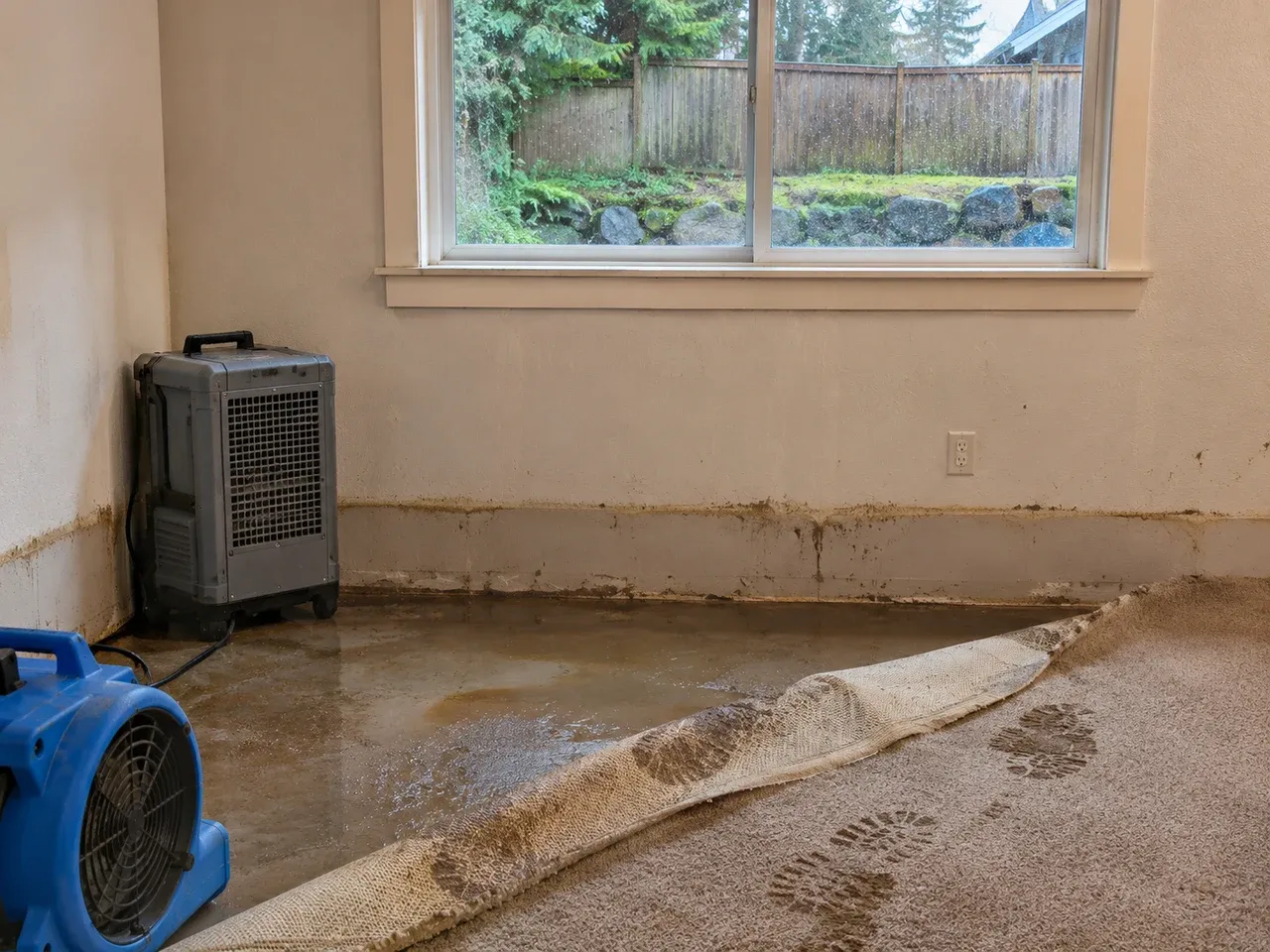
Brown residue along floor edges or inside cabinets remains after water recedes. Remove it before cleaning affected surfaces.
Soaked Carpet and Lower Walls
Carpet, padding, insulation, and drywall can absorb contaminated water. A room may look mostly dry while moisture remains behind baseboards.
Water Entering the Crawlspace
Floodwater beneath a home can leave wet insulation and debris near framing. Standing water should be assessed before anyone enters the crawlspace.
Musty Odors or Visible Mold
A musty smell or mold spots may indicate trapped moisture. Affected materials need inspection.
What Causes Flooding Around Auburn Properties?
River levels can rise after sustained rain and snowmelt, especially during the wetter months. In some low-lying areas, storm drains and drainage channels can also struggle with runoff. Water may enter through doorways, vents, crawlspace openings, or gaps around foundations.
A flooded room is not always caused by a river overflowing. Water collecting against a building during heavy rain can create a similar cleanup problem. For flood cleanup in Auburn, WA, identifying where the water came from is essential because outside floodwater may contain sewage, chemicals, and other contaminants.
Flood Cleanup Auburn, WA — Our Services
Flood damage restoration starts with removing water and mud, assessing contaminated materials, and drying the building before repairs.
Floodwater Extraction
We remove accessible floodwater from affected rooms and lower areas. Equipment choice depends on access and water depth.
Mud and Debris Removal
We clear sediment, debris, and damaged materials that prevent proper cleaning. Residue may remain beneath cabinets after the water recedes.
Contaminated Material Cleanup
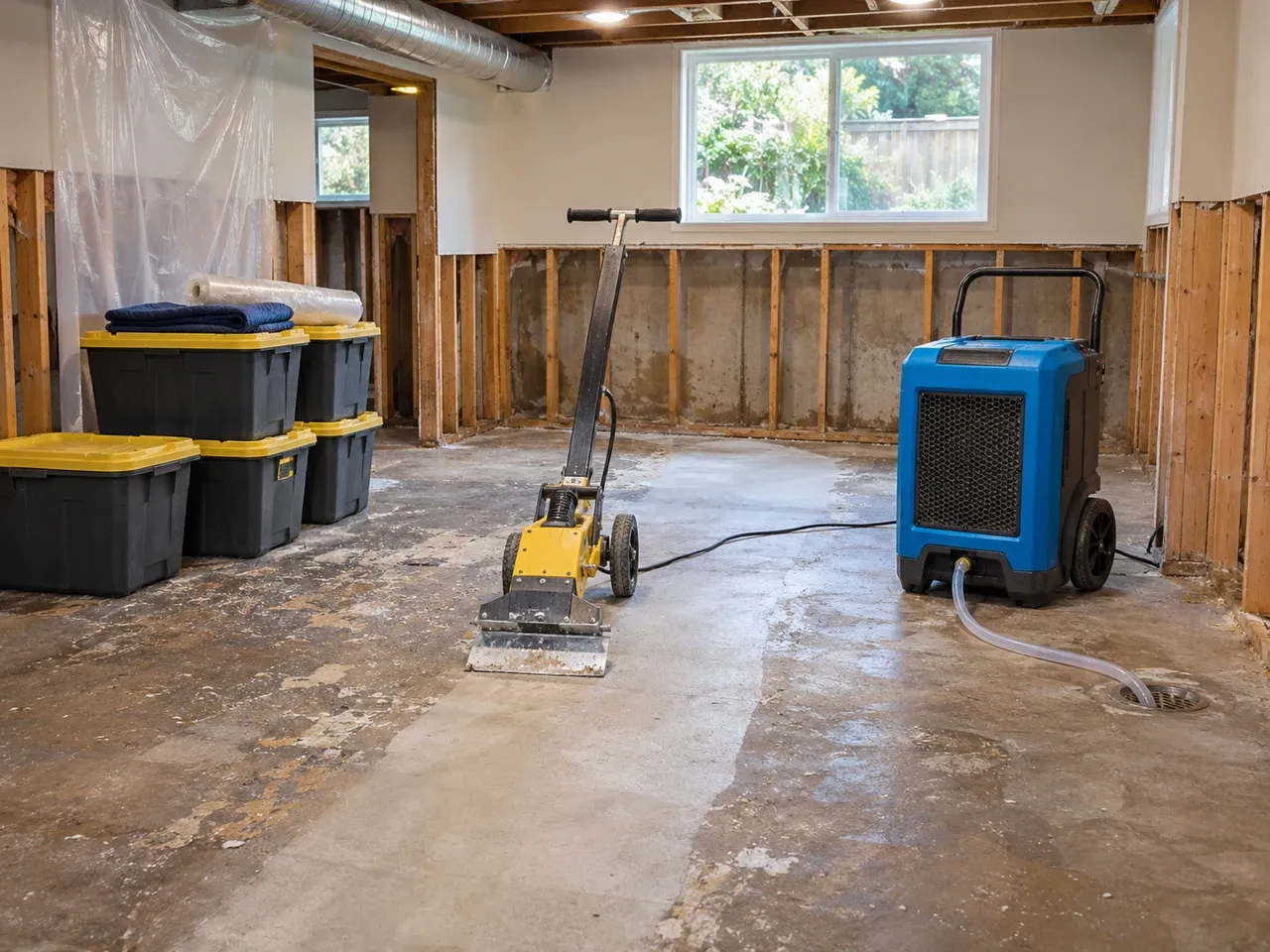
We assess wet carpet, padding, drywall, and insulation exposed to floodwater. Porous materials that cannot be safely cleaned and dried may need removal.
Cleaning and Structural Drying
After contamination has been addressed, we clean salvageable surfaces and dry affected building materials. Our related structural drying service focuses on moisture remaining after cleanup.
Our Flood Damage Cleanup Process
Inspect the Property and Check Safety
We review the water source, high-water marks, damaged rooms, and possible contamination. Electrical hazards, unstable materials, and unsafe access must be addressed before work proceeds. If an evacuation order remains in effect, cleanup waits until entry is permitted.
Remove Floodwater and Mud
We extract accessible water, then remove mud and debris from floors and reachable spaces. Dirt left behind can interfere with cleaning and hide damage along walls or under cabinets.
Assess and Remove Damaged Materials
Flood-soaked carpet padding, insulation, and drywall may need removal because contaminated porous materials can be difficult to clean. We explain which materials are affected and why removal may be needed.
Clean Surfaces and Dry the Building
Once unsafe materials and residue are addressed, salvageable surfaces can be cleaned. Air movers, dehumidifiers, and moisture checks help dry framing, subfloors, and other materials that can remain.
Document Damage and Plan Repairs
Photos, material notes, moisture readings, and drying records help explain the cleanup scope. We identify areas needing later water damage repair, such as replacing flooring, drywall, or damaged cabinets.
What Can Be Saved After a Flood?
Floodwater may carry contaminants that change whether an item can be cleaned or reused. A material's condition and exposure matter more than how dry it looks.
Do not assume a household fan can make flood-soaked insulation or carpet safe to keep.
| Flood-affected material | Typical assessment |
|---|---|
| Carpet and padding | Often require removal after contaminated floodwater exposure |
| Drywall and insulation | Contaminated sections generally need removal before repairs |
| Solid wood framing | May be cleaned and dried if structurally sound and suitable for restoration |
| Tile and concrete | May be cleanable after residue is removed and the area is assessed |
| Cabinets and furniture | Depends on material, contamination, swelling, and whether thorough cleaning is possible |
Flood Risks in Auburn, Washington
Valley and hillside exposure
Auburn's valley floor has different flood exposure from the surrounding hills. The City of Auburn identifies high-risk areas along the Green River and White River, as well as sections near Mill Creek and SR 167. Heavy rainfall can also overwhelm local drainage without a river leaving its banks.
Flooding in December 2025
During December 2025 flooding, the city issued warnings and reported road closures near Green River Road and other low-lying routes. This is why flood cleanup in Auburn, WA, must reflect the property address and actual water source, not assume every neighborhood faces the same river risk.
Why Choose Auburn Clearway Restoration for Flood Cleanup?
24/7 Emergency Flood Response
Flood damage does not follow business hours. Our emergency response team can discuss the affected areas and the next steps when conditions allow safe access.
IICRC-Certified Restoration Technicians
IICRC-certified technicians assess how far floodwater reached, which materials are contaminated, and what drying will require. Our Washington-registered, bonded, and insured team treats outside flooding differently from a supply-line leak.
Contaminated Material Assessment
We explain why certain wet materials may need removal and which hard surfaces may be suitable for cleaning. You can understand what happens before rebuilding.
Photos, Moisture Checks, and Written Records
Our records cover flood-affected areas, sediment removal, damaged materials, and drying steps. Owners can use them to discuss a flood insurance claim.
Flood Damage Cleanup and Insurance Claims
Flood coverage
Flood damage is often handled differently from a burst pipe. Most standard homeowners policies do not cover flooding from outside surface water; separate flood insurance may apply. Coverage depends on the policy and circumstances.
Records to keep
Photograph the water line, damaged materials, and belongings when safe. Keep cleanup invoices, disposal records, and receipts. We provide the work scope and documentation so you can explain the loss to your insurer. The insurer determines coverage, not the restoration crew.
About Auburn Clearway Restoration
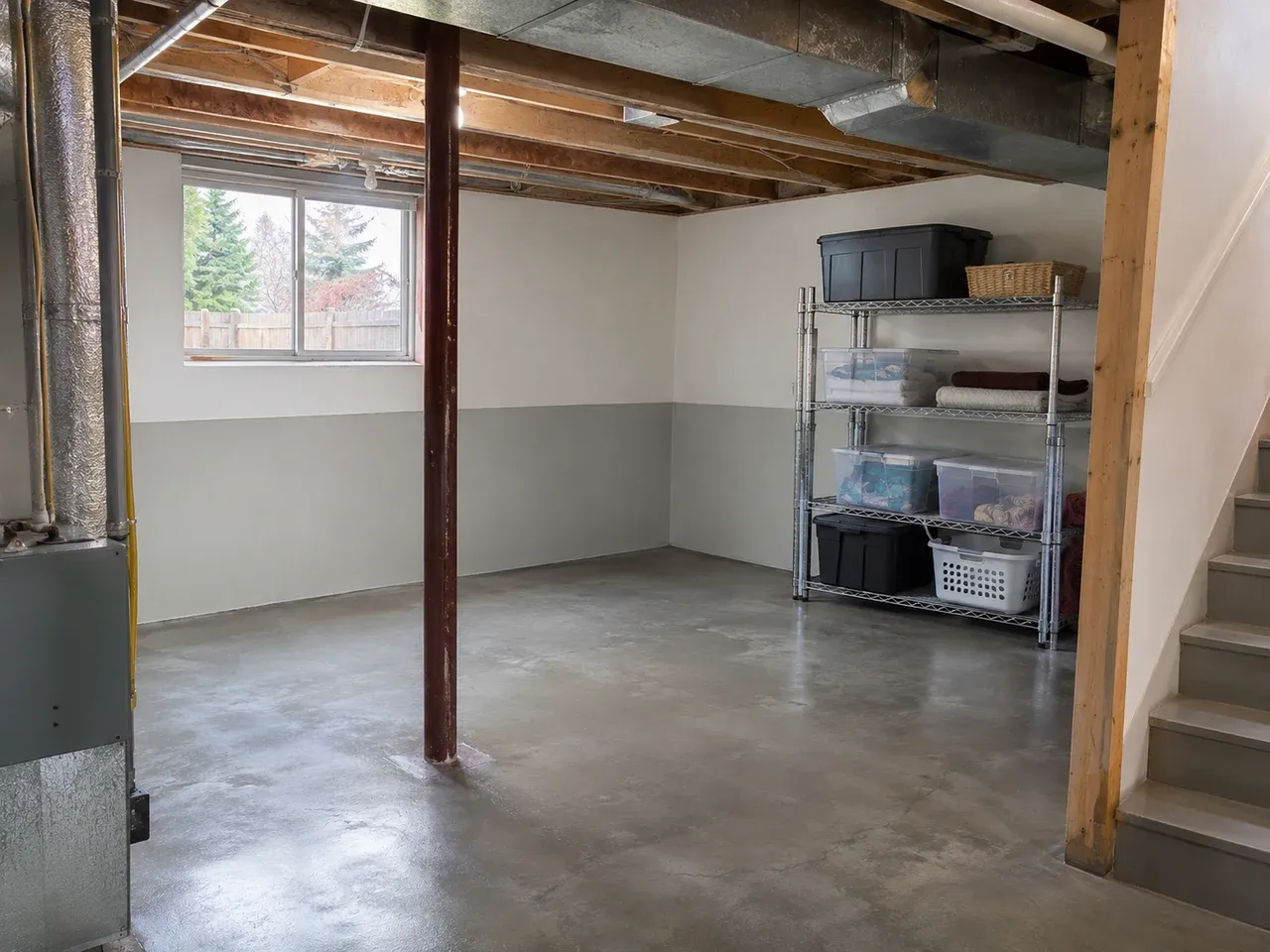
Auburn Clearway Restoration helps property owners recover after water enters buildings and damages interior materials. Our flood cleanup work addresses sediment, potentially contaminated water, affected surfaces, and drying needs.
We explain the cleanup steps and the difference between removing flood damage and rebuilding damaged rooms. We also provide related water damage restoration for indoor water losses.
Auburn Neighborhoods and Properties We Serve
King and Pierce counties
- North Auburn
- Downtown Auburn
- South Auburn
- Southeast Auburn
- Lea Hill
- West Hill
- Lakeland Hills
Flood cleanup is available across Auburn, including North Auburn and Downtown buildings near the valley, South Auburn properties, and neighborhoods on Lea Hill, West Hill, and Lakeland Hills. We also cover Southeast Auburn and addresses in both the King County and Pierce County portions of the city. Flood risk and safe access depend on the property.
Flood Cleanup FAQs
How soon can flood cleanup begin after water recedes?
Cleanup can begin when the property is safe to enter and any evacuation restrictions have been lifted. Floodwater may leave sewage, sharp debris, and electrical hazards, so an assessment should come before pumping or demolition.
Is floodwater different from water from a burst pipe?
Yes. Outside floodwater can pick up sewage, fuel, pesticides, and debris. A clean supply-line leak usually calls for different precautions. The source changes material handling and cleanup decisions.
Can flood-soaked carpet and drywall be dried instead of removed?
Contaminated carpet padding, drywall, and insulation often need removal because thorough cleaning may not be possible. Some hard surfaces and structural materials can be cleaned and dried after assessment. If wastewater came from a backed-up drain rather than outside flooding, see our sewage backup cleanup service.
How long does it take to dry a home after flooding?
Drying time depends on the water depth, affected materials, humidity, and work needed before drying starts. Dehumidifiers and air movers may run for days. Moisture measurements help track progress.
Does homeowners insurance cover flood cleanup in Auburn, WA?
Most standard homeowners policies exclude outside flooding. A separate flood policy may provide coverage, subject to its terms. Photograph damage, keep receipts, and contact your insurance provider promptly.
Can I stay in my house while flood cleanup is underway?
It depends on contamination, electrical safety, access, and which rooms are affected. Do not reenter against official instructions. Ask the restoration team and relevant safety professionals whether occupied areas are safe.
Get Help With Flood Cleanup Auburn, WA Today
Muddy floors, wet drywall, or floodwater in your crawlspace need careful cleanup. Call Auburn Clearway Restoration for floodwater removal, contaminated-material assessment, structural drying, and a clear plan for repairs.