
Auburn Clearway Restoration
Water Extraction Auburn, WA
Auburn Clearway Restoration provides water extraction in Auburn, WA, for homeowners, landlords, and businesses dealing with flooded rooms, soaked carpet, and water from broken pipes or leaking appliances. We remove pooled water, inspect nearby floors and walls, and begin the next steps for drying. Call our emergency team when water is spreading through your property.
- 24/7 Emergency Response
- WA Registered, Bonded & Insured
- IICRC-Certified Technicians
Emergency checklist
What to Do Before Water Removal Begins
Before trying to mop up a flooded kitchen or laundry room:
Shut off the leaking fixture or main water supply if you can reach it safely.
Keep away from wet outlets, electrical equipment, and any water that may contain sewage.
Photograph the affected areas when it is safe, including furniture and flooring.
Move dry belongings away if it is safe. Leave heavy, soaked items alone.
After the leak stops, emergency water removal can begin. A plumber may be needed to stop it.
Signs You Need Professional Water Extraction
Even a shallow leak can damage flooring. Look for:
Carpet That Squishes Underfoot
Carpet padding may stay soaked even when the surface looks better. Household vacuums cannot remove trapped water safely.
Water Under Vinyl or Laminate Flooring
Water can pass through flooring seams into the subfloor. Edges may swell after puddles disappear.
Water Moving Into Another Room
A supply-line leak can send water beneath doors or into rooms below. Adjacent areas may also be wet.
Damp Baseboards or Lower Walls
Water marks, peeling paint, and soft trim suggest moisture remains. Floor extraction alone may not be enough.
Common Causes of Indoor Water Accumulation
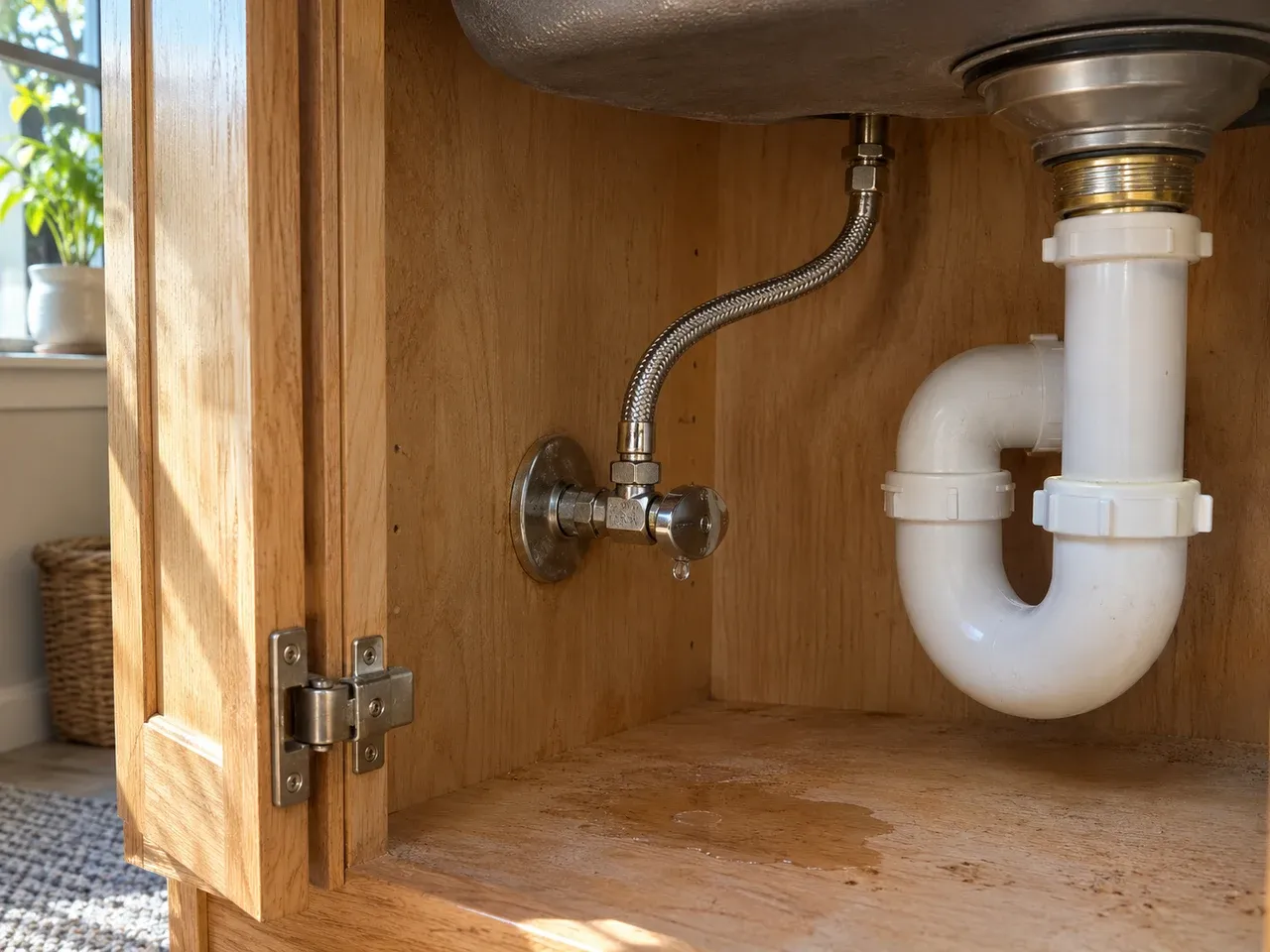
Common sources include broken supply lines, leaking water heaters, appliance hoses, overflowing sinks, and hidden plumbing connections. A refrigerator line may drip beneath cabinets for days; a burst pipe can wet several rooms in minutes.
Water from rain or overflowing drains needs different precautions. During water extraction in Auburn, WA, the source determines whether routine removal or contaminated-water cleanup is appropriate. If a toilet overflows because of a sewer blockage, keep people and pets away from the affected room until the water is assessed.
Water Extraction Auburn, WA — What Our Service Includes
We remove visible water and check where it traveled before drying begins. The scope is different for a shallow dishwasher leak and a burst pipe that has reached bedrooms or a hallway. We inspect adjacent areas instead of assuming only the room with the puddle is affected.
Standing Water Removal
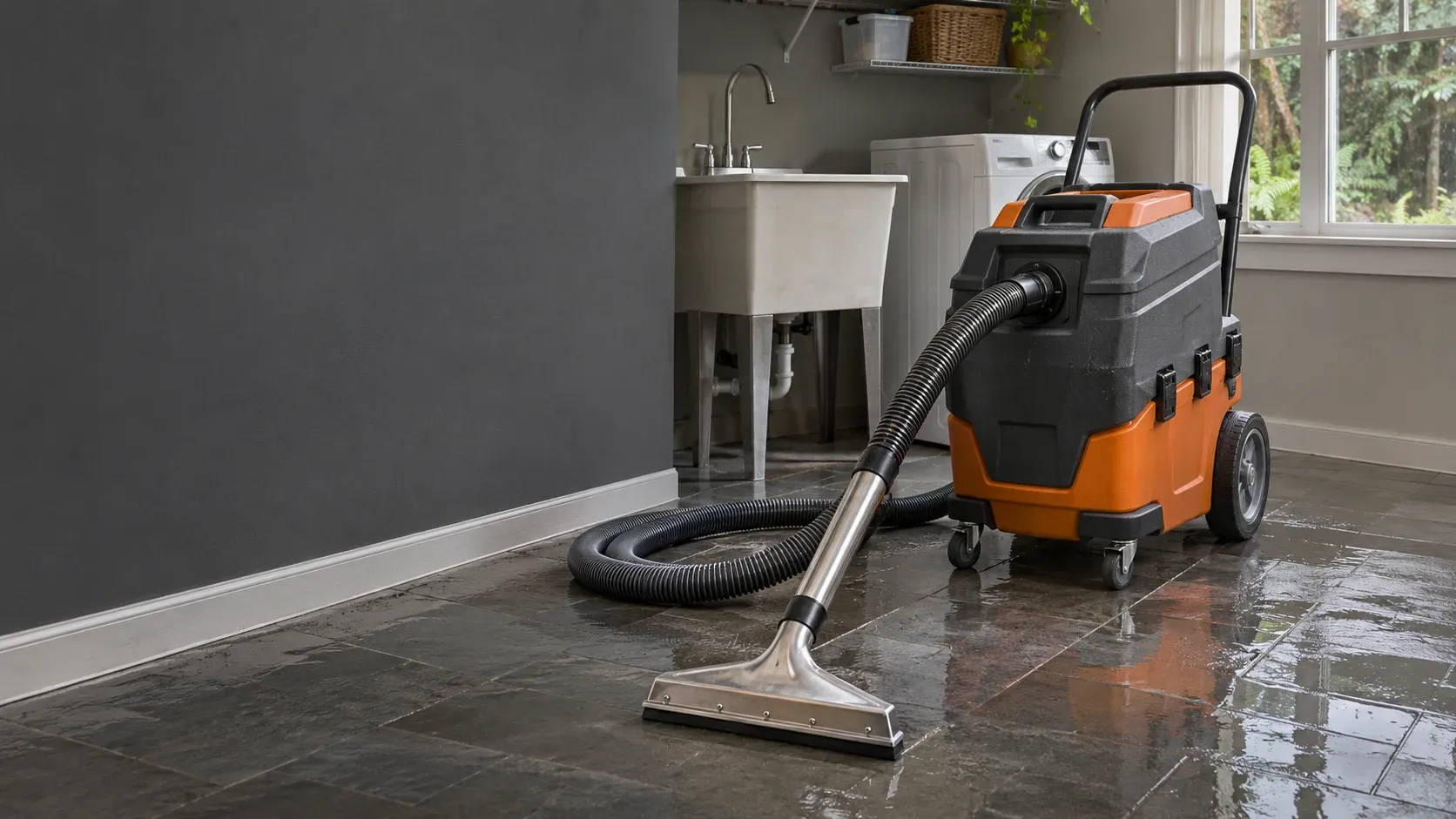
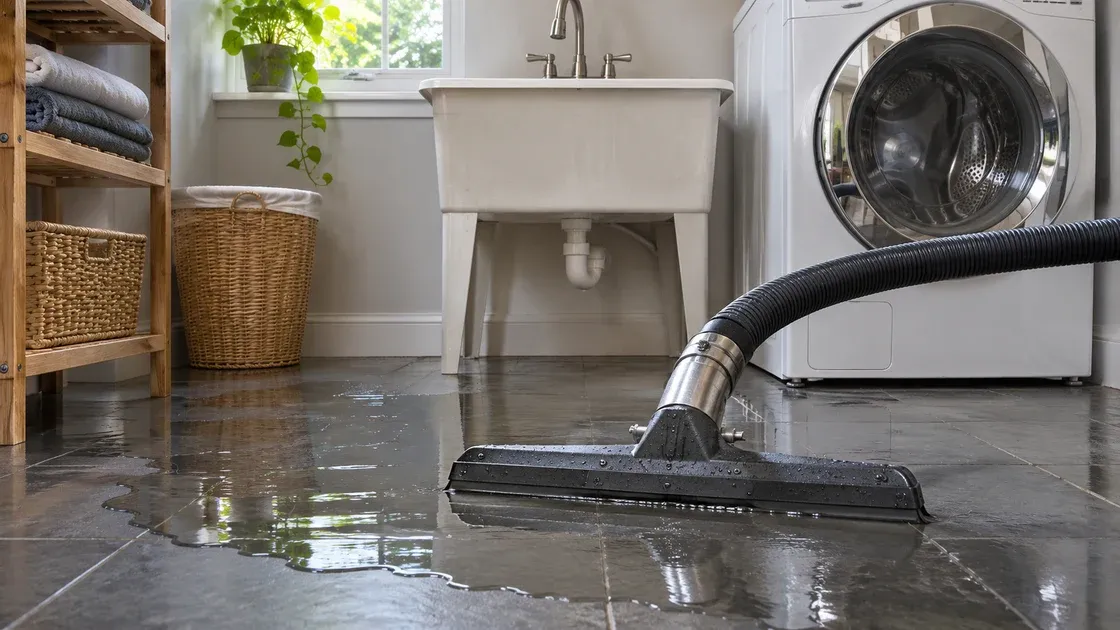
We use equipment suited to hard floors and carpet. Early removal limits further exposure of nearby materials.
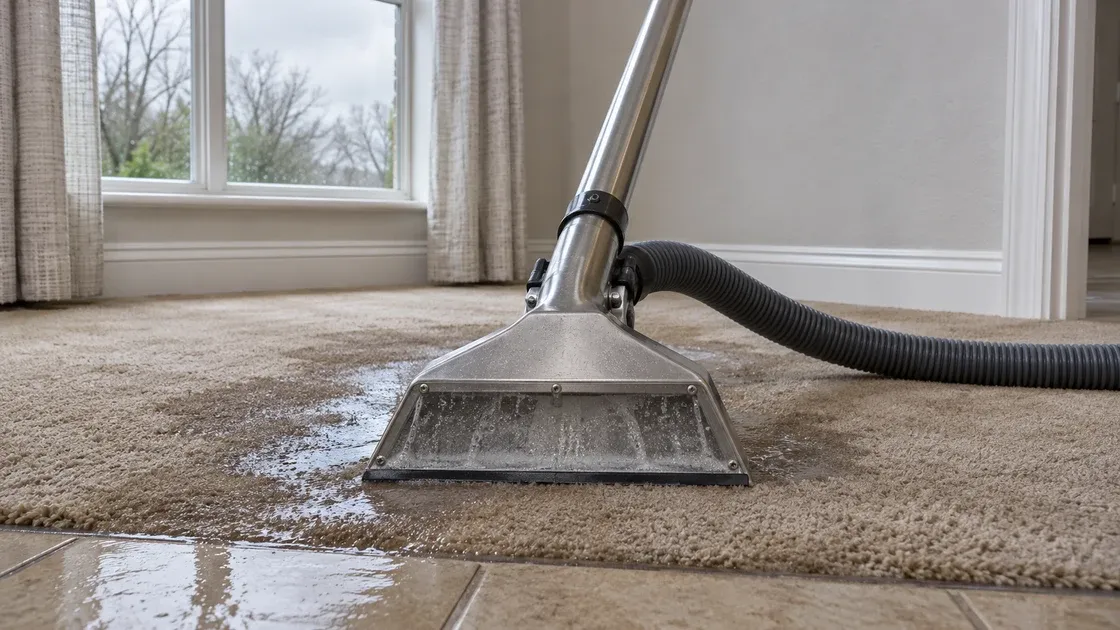
Carpet and Floor Extraction
We extract wet carpet where appropriate and check padding and subfloors. Contamination affects what can stay.
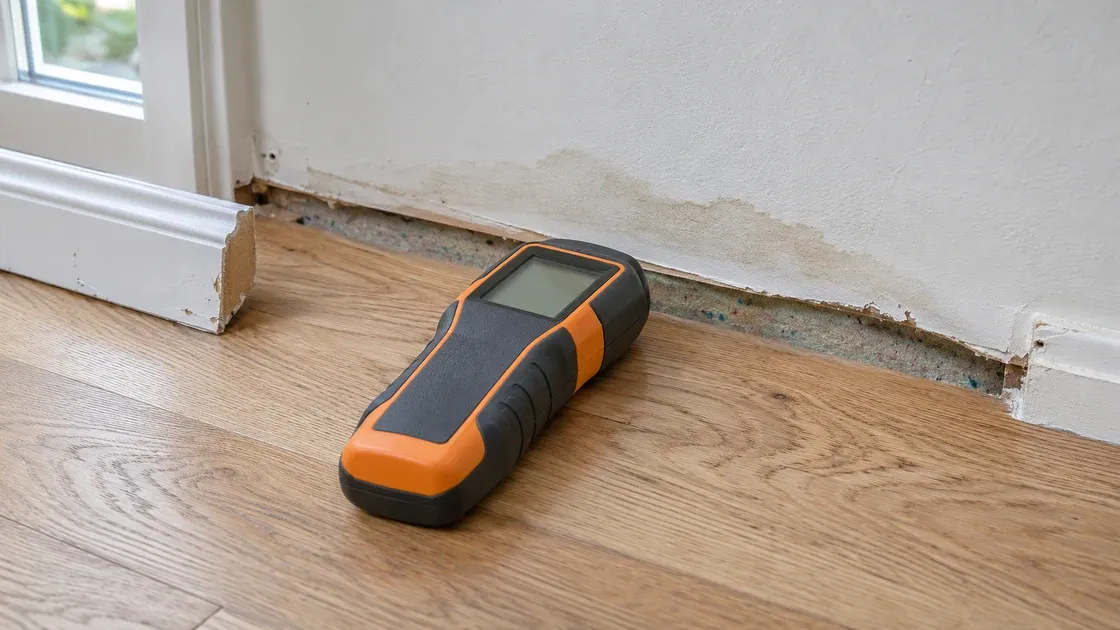
Moisture Checks Around the Leak
We check baseboards, cabinets, and nearby rooms. Moisture meters can reveal areas needing drying. That matters when water has run behind a kitchen cabinet or beneath floorboards, where a towel cannot reach.
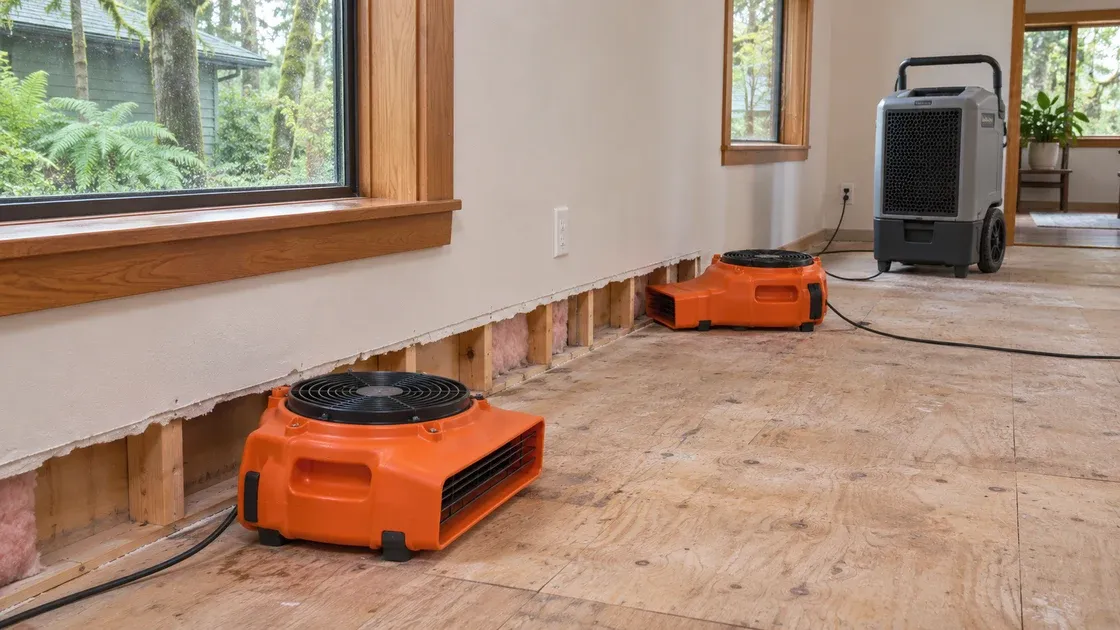
Preparing for Structural Drying
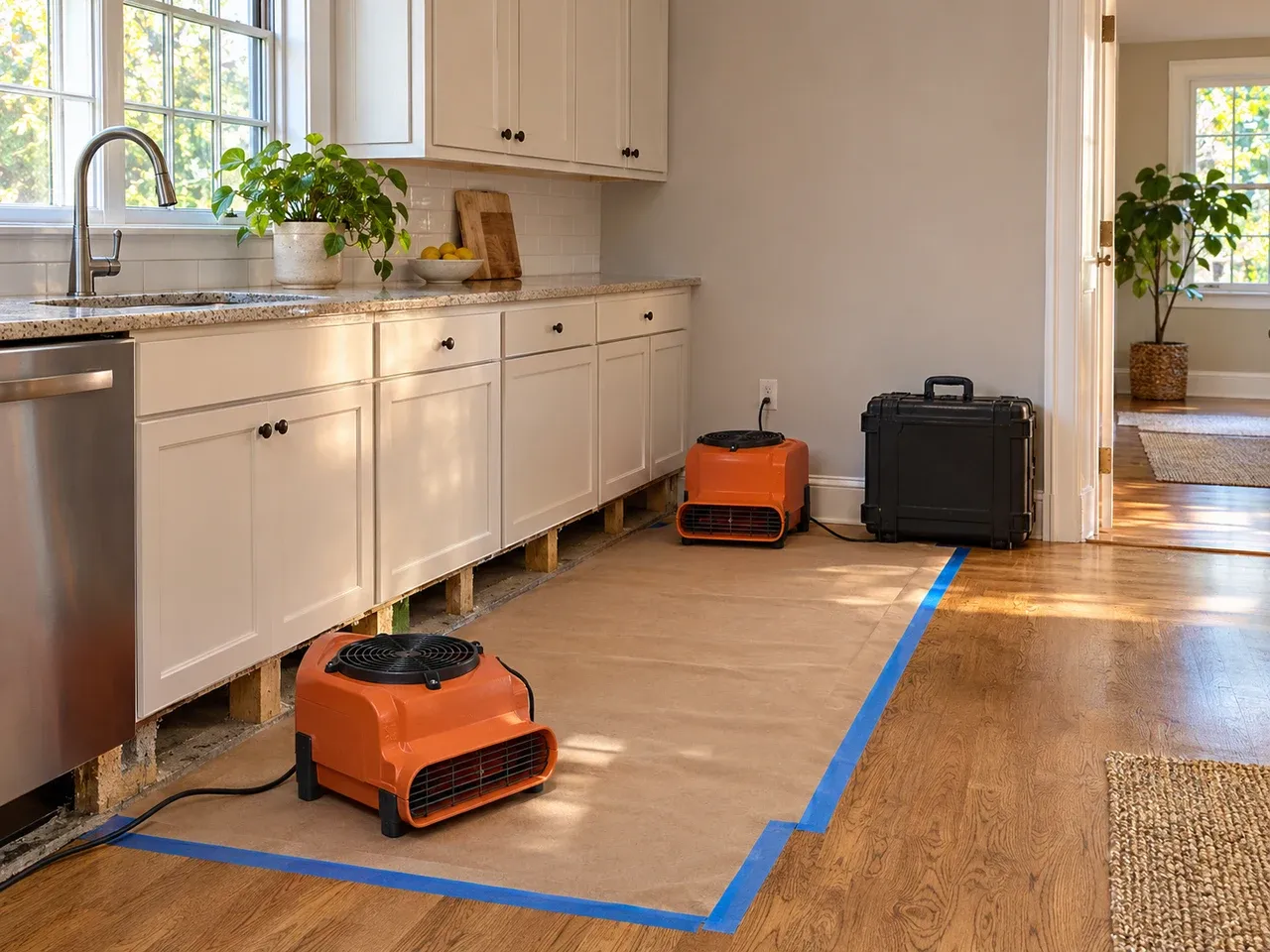
Extraction may leave moisture inside materials. Air movers, dehumidifiers, and follow-up measurements support water mitigation. Learn more about structural drying.
Our Water Removal Process
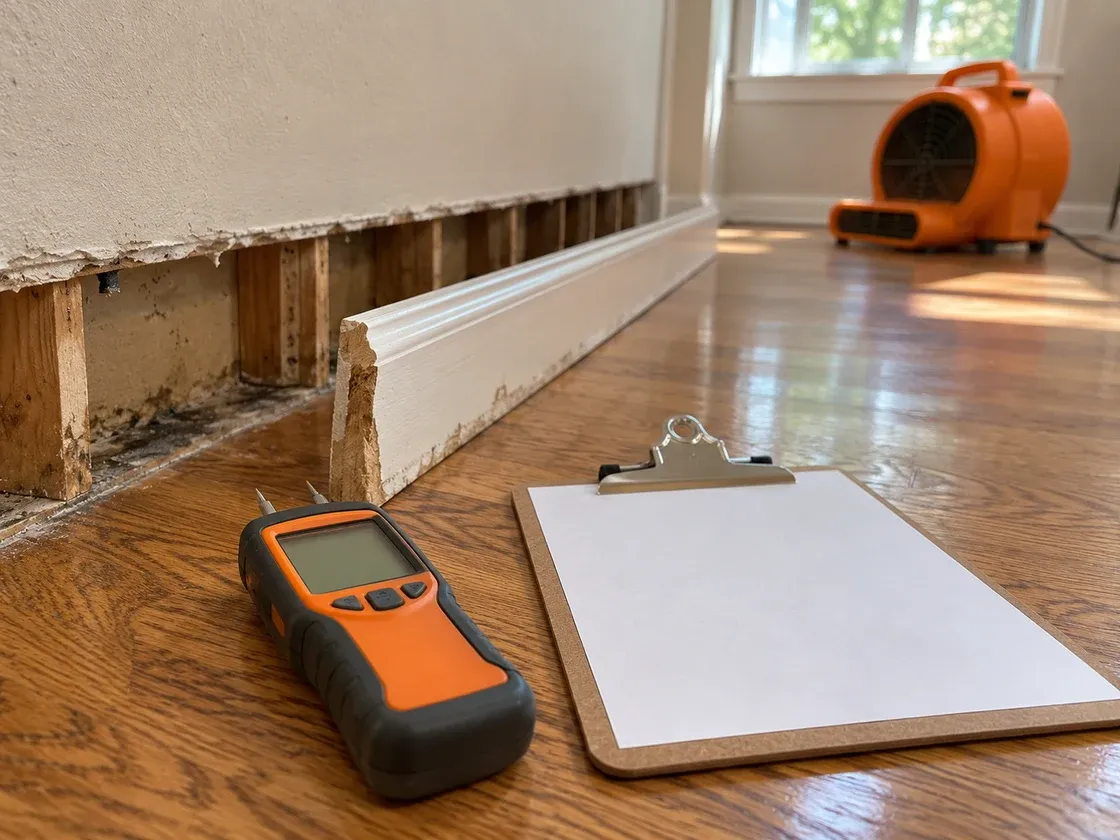
Locate the Water Source and Check Safety
We inspect affected rooms and check the source, electrical hazards, and contamination. The leak must be controlled before extraction continues. If a bathroom overflow affected the ceiling below, we inspect that lower area as well.
Map the Wet Areas
Water follows flooring joints and low spots. We check cabinets, wall edges, and nearby rooms for moisture beyond the obvious puddle.
Extract Pooled Water
We extract accessible water from carpet, hard floors, and tight spaces. Damp padding or subfloors may still need drying. On carpet, recovering water at the surface is not proof that the padding beneath it is ready to keep.
Check Materials and Start Drying
We check what can be saved, then use air movers and dehumidifiers where needed. Water damage cleanup continues after puddles disappear.
Record Progress and Explain Next Steps
We track drying with moisture readings. Photos, drying logs, and a written scope show completed work and possible water damage repair. We can explain whether the next phase is continued drying, removing a damaged material, or arranging a separate repair.
What Happens to Wet Flooring and Walls?
Some materials can be dried after water extraction. Others may need removal because of contamination or damage. An inspection should identify what is wet and how the water entered.
| Affected material | What matters after extraction |
|---|---|
| Carpet and padding | Water source, how long they stayed wet, and whether they can be cleaned and dried |
| Vinyl or laminate flooring | Water beneath seams, swollen edges, and condition of the subfloor |
| Hardwood flooring | Cupping, warping, trapped moisture, and wood condition |
| Drywall and baseboards | Wet lower walls, softened materials, and moisture inside wall cavities |
| Cabinets | Water trapped under toe-kicks, behind panels, and around the base |
Water Removal Needs in Auburn Homes
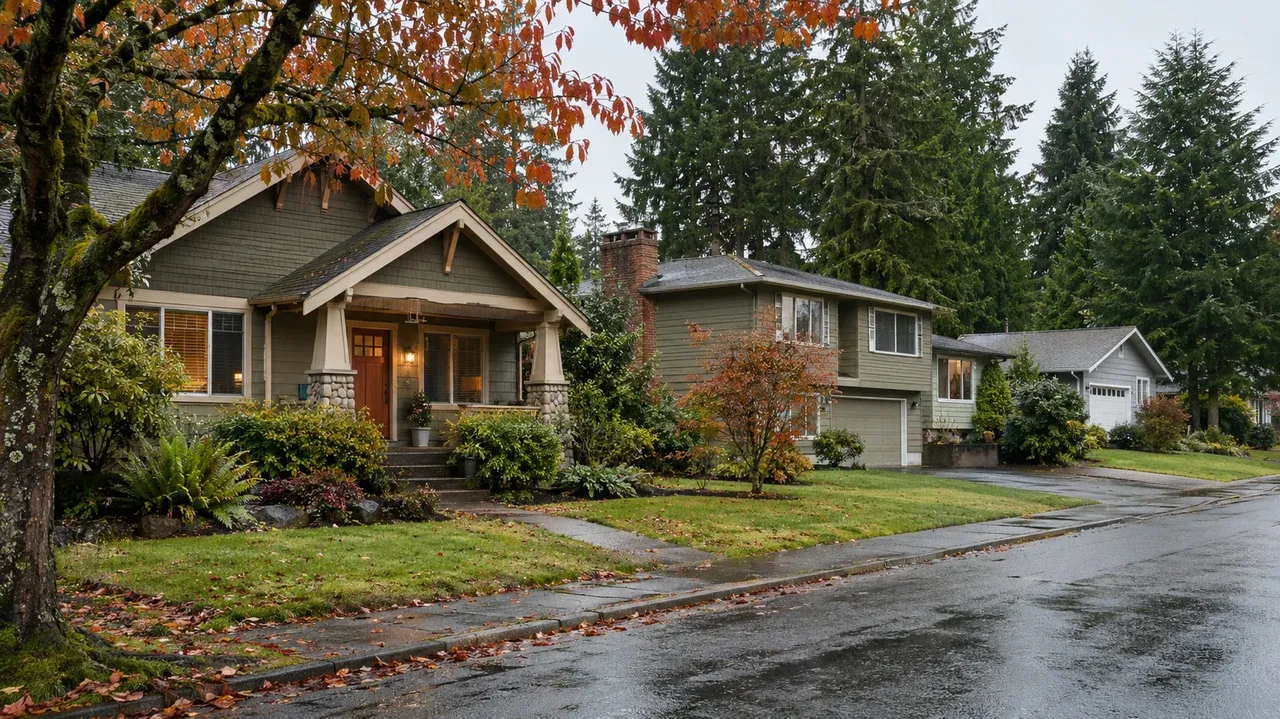
Water extraction in Auburn, WA, is needed year-round for indoor leaks. Fall and winter rain can add roof and drainage problems. Older South Auburn buildings may have different flooring and plumbing from newer Lakeland Hills homes.
Low-lying areas near the Green River, White River, and Mill Creek have distinct flood concerns. Outside floodwater requires different precautions from supply-line water; risk varies by address. For indoor leaks, the more immediate question is often whether water traveled under flooring or through a wall into another room.
Why Choose Auburn Clearway Restoration for Water Removal?
24/7 Emergency Water Removal
Call when a pipe bursts or a laundry room floods, including overnight.
Trained Technicians and Clear Inspection Findings
Our Washington-registered, bonded, and insured company uses IICRC-certified technicians who explain the areas needing extraction or drying. You should know which rooms were checked and why the proposed equipment is appropriate for the damage.
Extraction Followed by a Drying Plan
We check subfloors and walls rather than judging dryness from appearance alone. That helps avoid stopping after the most visible part of the leak has been cleaned up.
Photos and Drying Records
Photos and drying records show the work and support insurance discussions.
Water Extraction and Insurance Documentation
Claim records
After a dishwasher or supply-line leak, insurers may ask what happened and what was damaged. We document affected areas, extraction, and moisture findings. Keep photos of damaged belongings and receipts for emergency expenses; those records may be useful when you file a claim.
Policy coverage
Coverage depends on the policy. Sudden leaks, slow leaks, sewage, and flooding may be treated differently. Extraction estimates may not include repairs. Ask for a written scope so you can see which work is included.
About Auburn Clearway Restoration
Auburn Clearway Restoration helps homeowners and businesses locate and remove unwanted water. Water extraction in Auburn, WA, is often the first step before further water damage restoration work.
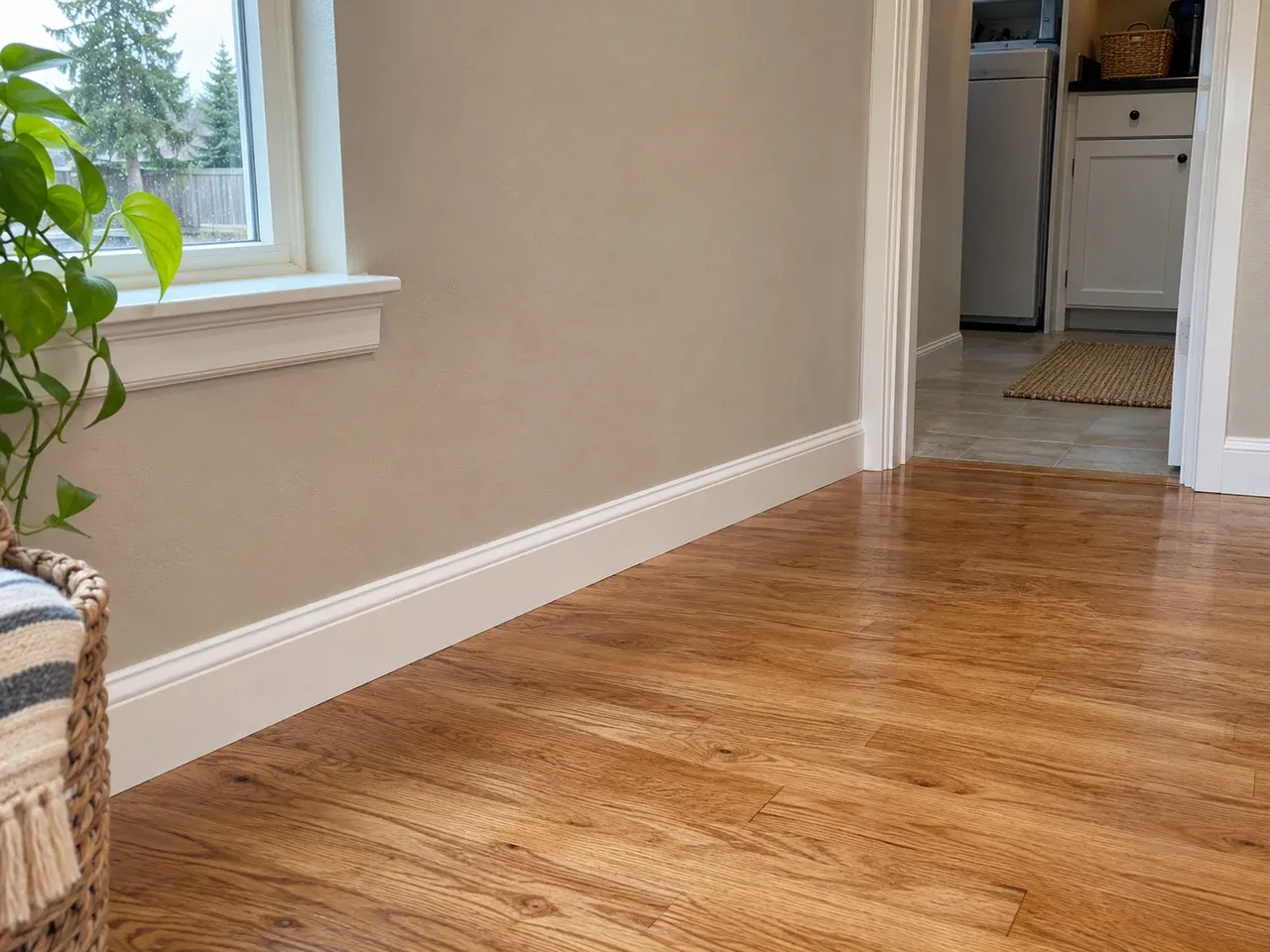
A wet carpet, flooded bathroom, and water beneath cabinets may each require different extraction and drying steps.
Auburn Neighborhoods We Serve
King and Pierce counties
- North Auburn
- Downtown Auburn
- South Auburn
- Southeast Auburn
- Lea Hill
- West Hill
- Lakeland Hills
We serve North Auburn, South Auburn, Downtown Auburn, Lea Hill, West Hill, Lakeland Hills, and Southeast Auburn, including the King County and Pierce County portions of the city.
The water source—not the neighborhood name—determines the cleanup approach.
Water Extraction FAQs
How soon should I arrange water extraction in Auburn, WA, after a pipe bursts?
As soon as the area is safe and the water source is controlled. Soaked padding and drywall can hold moisture. Quick extraction helps limit further exposure, but the affected materials still need evaluation.
Can I use a shop vacuum to remove water from carpet?
A wet/dry vacuum may remove a small amount of clean water if used safely. It cannot confirm that padding, subflooring, or walls are dry. Larger losses usually need professional assessment and extraction.
Does water extraction include structural drying?
They are related stages, not the same task. Extraction removes pooled water. Structural drying addresses moisture remaining inside floors, drywall, and other building materials, often with air movers and dehumidifiers.
What if water has reached underneath vinyl flooring?
The surface may dry while moisture remains underneath. An inspection can help determine whether the flooring can stay in place and what drying or removal is needed.
How long will the water extraction equipment stay in my house?
Extraction equipment is generally used during removal. Fans and dehumidifiers may remain for days afterward depending on material conditions. Moisture readings help determine the drying timeline.
Will homeowners insurance pay for emergency water removal?
Some policies cover sudden, accidental plumbing losses, but coverage varies. Document the source and damage, and ask your insurer whether extraction and later repairs are treated separately.
Get Help With Water Extraction Auburn, WA Today
If a leaking appliance or broken pipe has soaked your flooring, contact Auburn Clearway Restoration for emergency water removal, moisture inspection, and the next steps for drying wet rooms. Call our team or request service before water spreads into adjoining materials.