
Auburn Clearway Restoration
Water Damage Restoration Auburn, WA
Auburn Clearway Restoration provides water damage restoration in Auburn, WA, for homeowners and businesses facing burst pipes, soaked carpet, leaking water heaters, and flooded rooms. We remove standing water, check for hidden moisture, dry affected materials, and explain what needs repair. Call our 24/7 emergency team for urgent leaks or flooding.
- 24/7 Emergency Response
- WA Registered, Bonded & Insured
- IICRC-Certified Technicians
Emergency checklist
What to Do After Water Damage in Your Home
Water from a broken pipe or overflowing appliance can spread into nearby rooms. Before moving furniture or trying to dry the floor, make sure the area is safe.
Stop the water if it's safe.
Shut off the fixture valve or main supply for a broken pipe. Don't enter standing water to reach a shutoff.
Stay clear of electrical hazards and sewage.
Keep away from wet outlets, appliances, and contaminated water. If you cannot safely reach the source, leave the area and get help.
Photograph the damage.
When it is safe, capture the leak, soaked flooring, damaged belongings, and water marks.
Arrange emergency water removal.
Once the source is controlled, extraction and moisture checks help determine where drying is needed.
A plumber repairs the broken line; a restoration crew addresses water already inside. Both may be needed.
Water Damage Restoration Auburn, WA — Our Services
We remove pooled water, dry affected materials, and repair damage when needed. The right services depend on the water source, contamination, and how far moisture has spread.
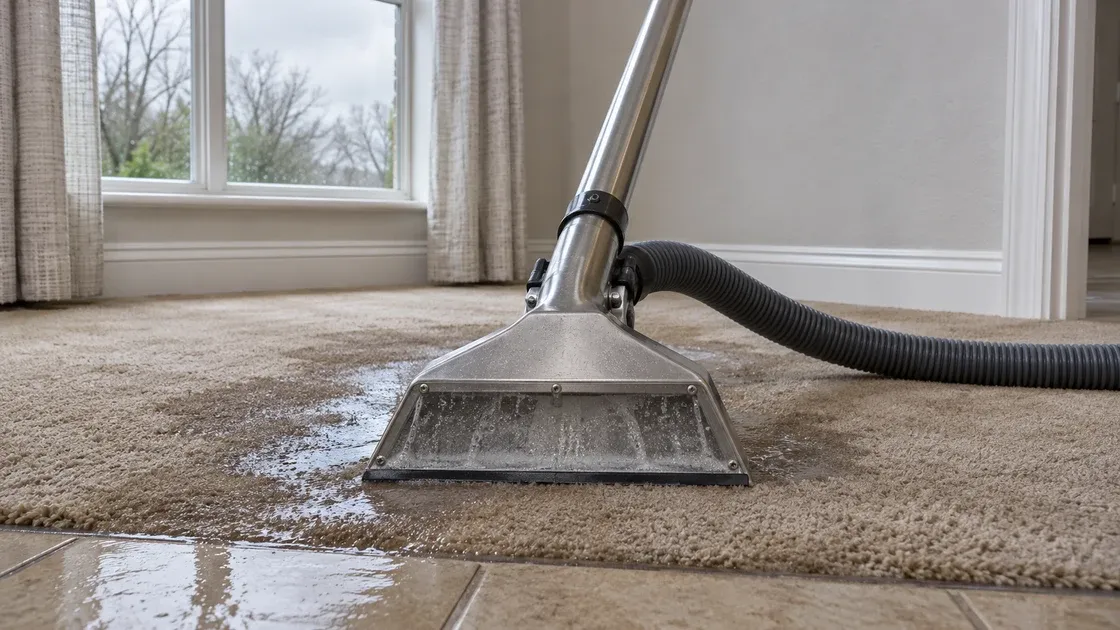
We use water extraction equipment to remove pooled water from floors and affected rooms. We also check beneath flooring and along baseboards for moisture that may need further drying. This is an important first step in water damage mitigation.
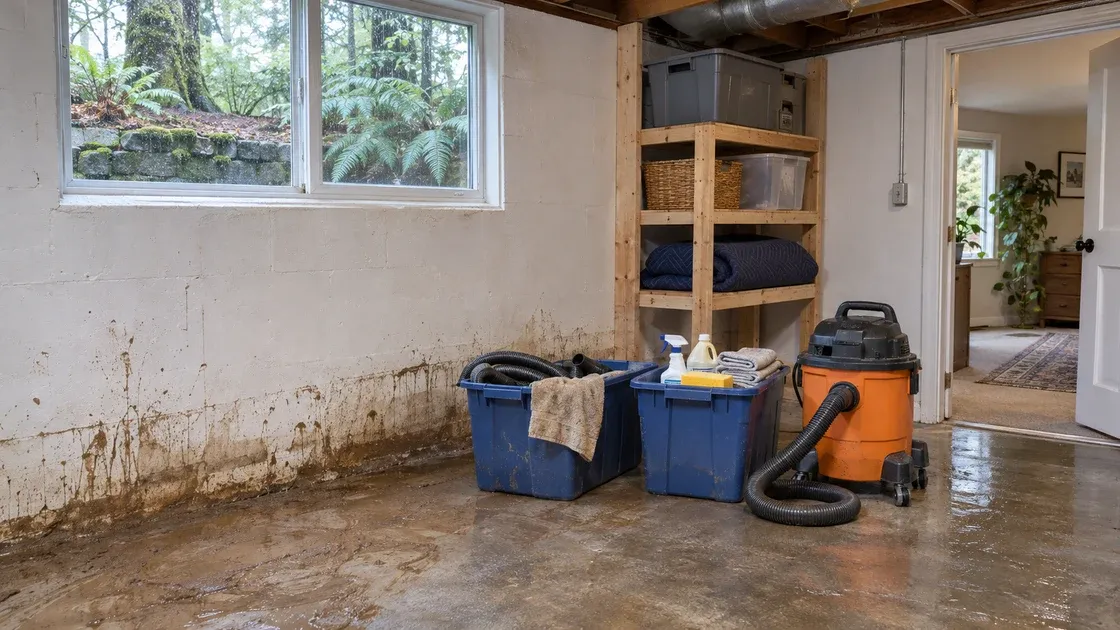
We address water, mud, and debris left after heavy rain or flooding. We check for contamination before deciding what can be cleaned, dried, or removed.
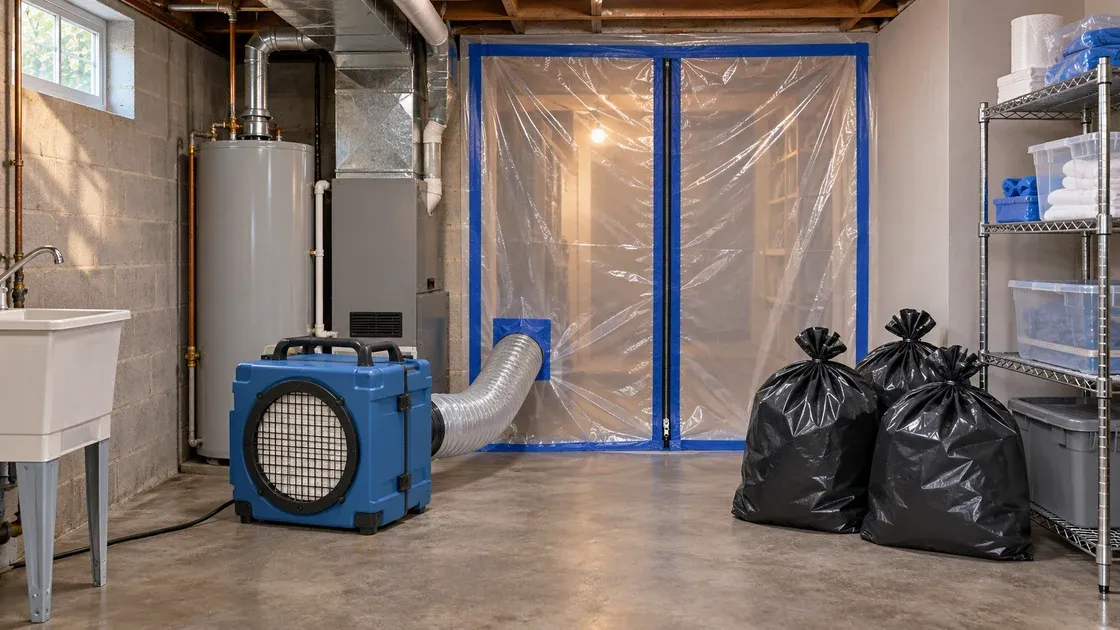
We handle sewer backups and other contaminated-water incidents with appropriate safety precautions. Affected porous materials may need removal before cleaning and drying can proceed.
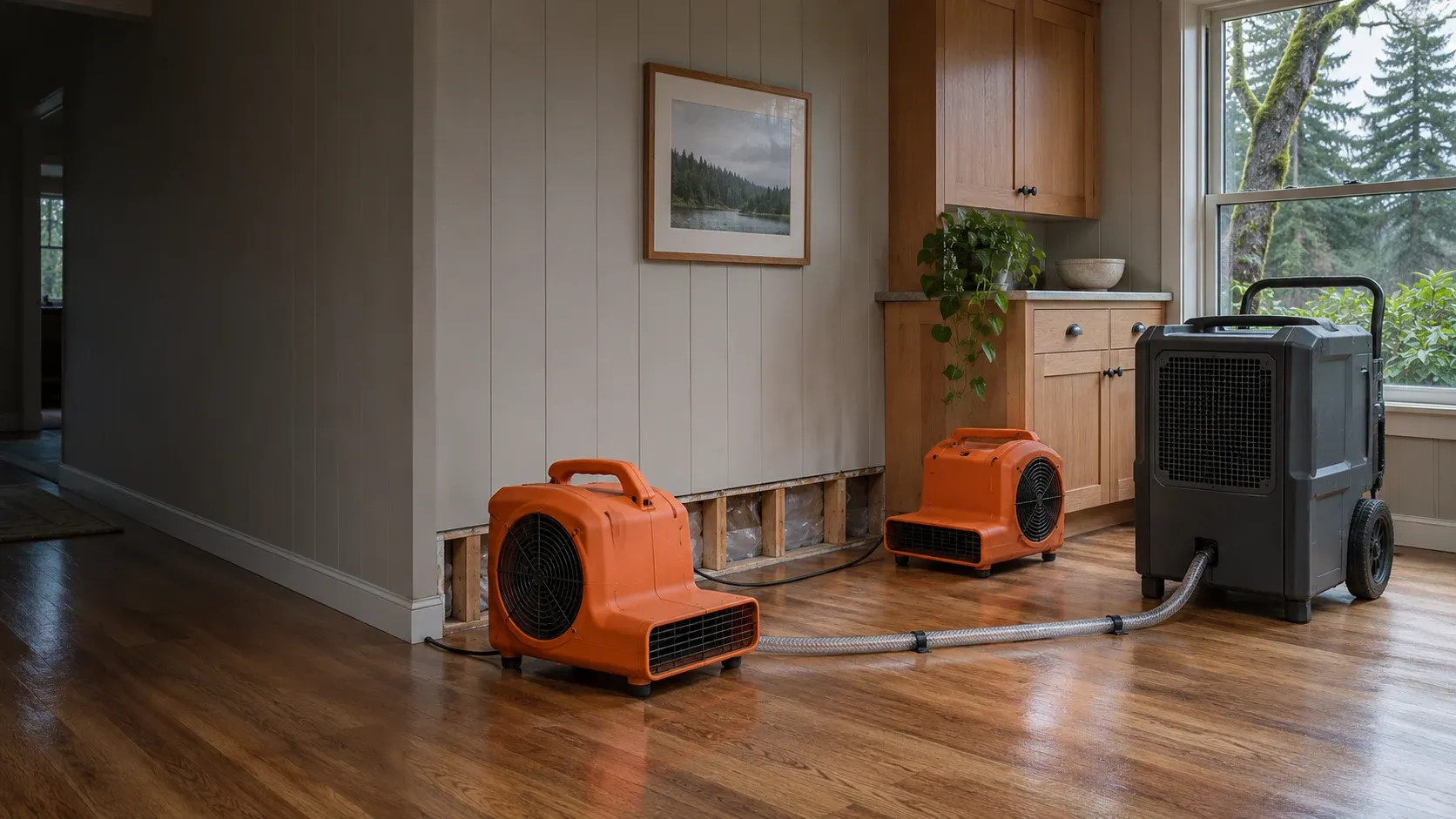
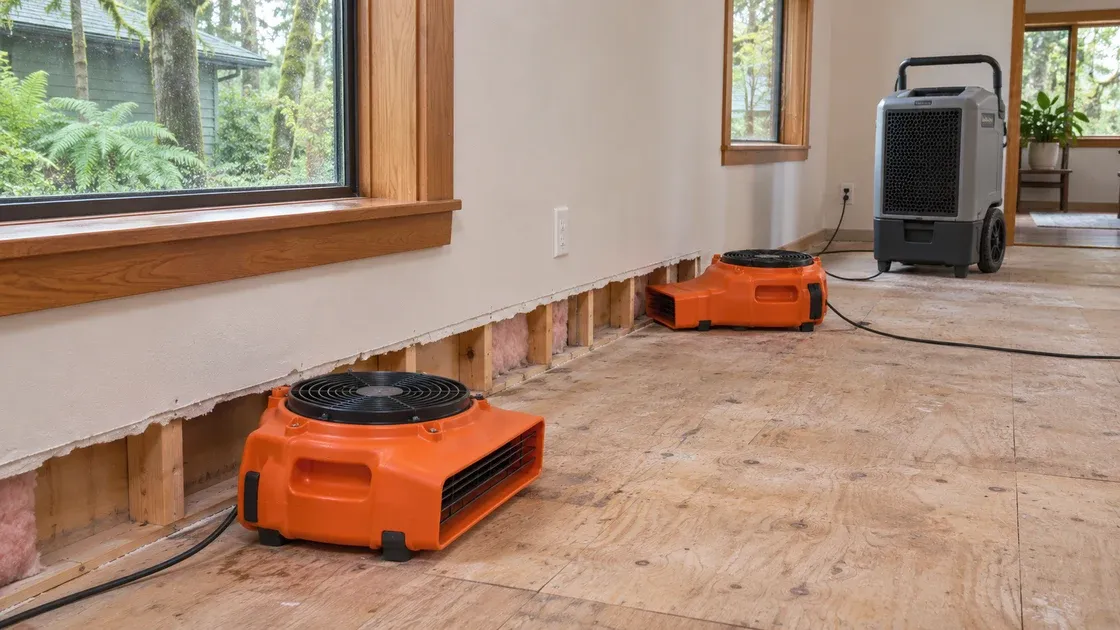
We use drying equipment and moisture readings to track affected walls, subfloors, and other materials. Air movers and dehumidifiers help dry areas where moisture remains after surface water is removed.
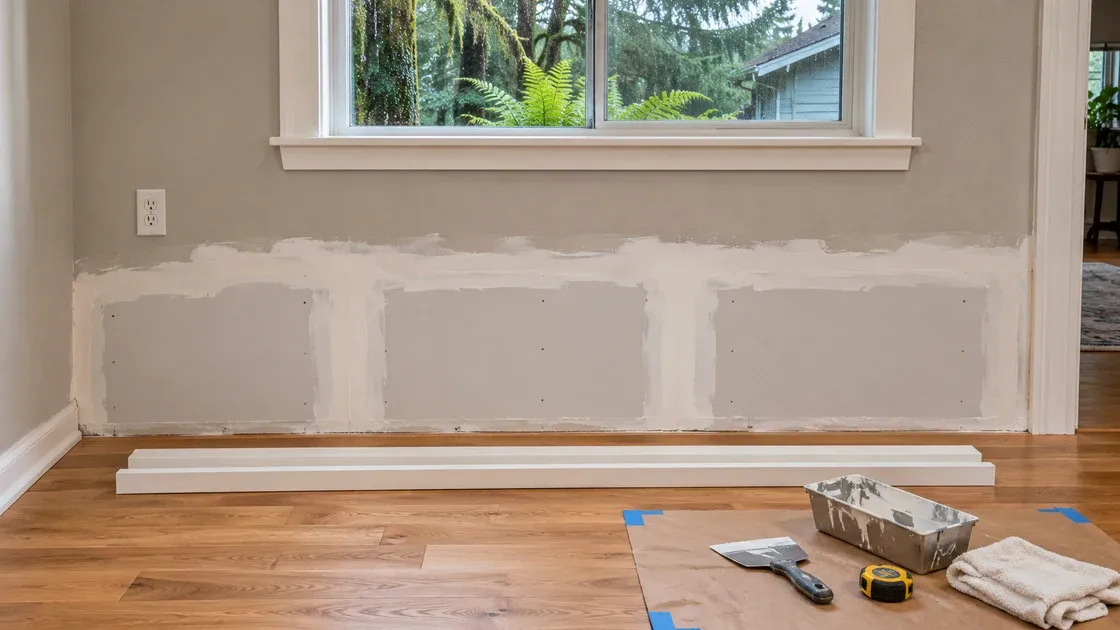
After drying, damaged drywall, flooring, insulation, and cabinets may need repair or replacement. Our water damage reconstruction services in Auburn cover those repairs after extraction and structural drying.
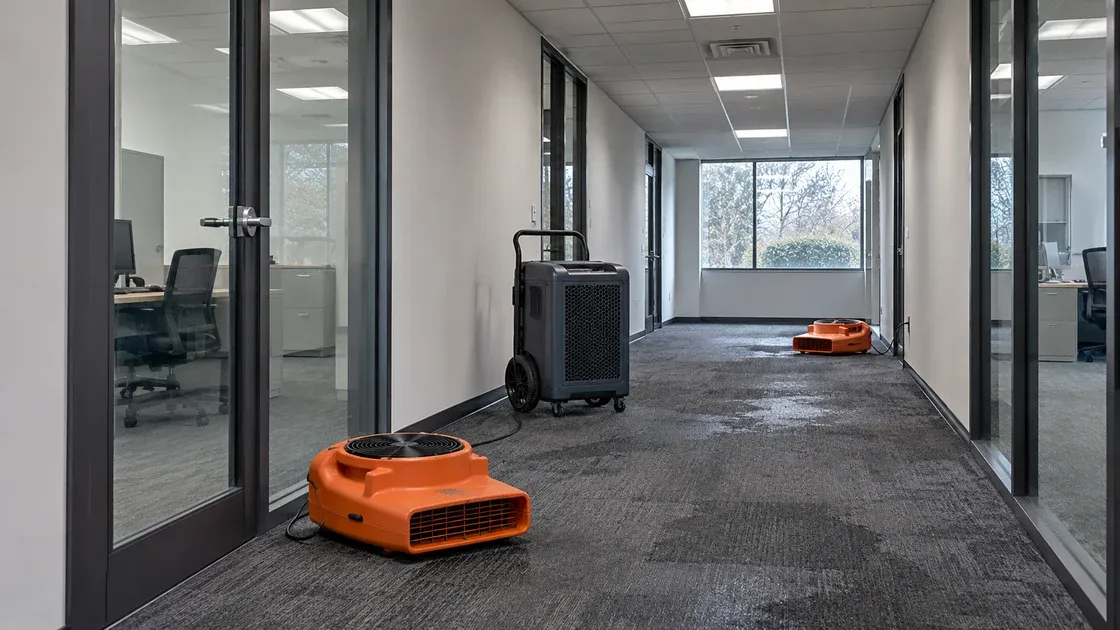
We handle leaks in offices, rental buildings, and commercial spaces, coordinating cleanup, drying, and repair planning.
Common Water Damage Problems in Auburn Homes
Most calls begin with a problem you can see: soaked carpet, a dripping ceiling, or water beneath the kitchen floor. The visible damage may not be the full extent of the leak.
Burst and Leaking Pipes
A pipe behind a wall or beneath a sink can soak drywall, insulation, and flooring. Freezing weather can cause breaks, while worn supply lines can leak year-round.
Leaking Appliances and Water Heaters
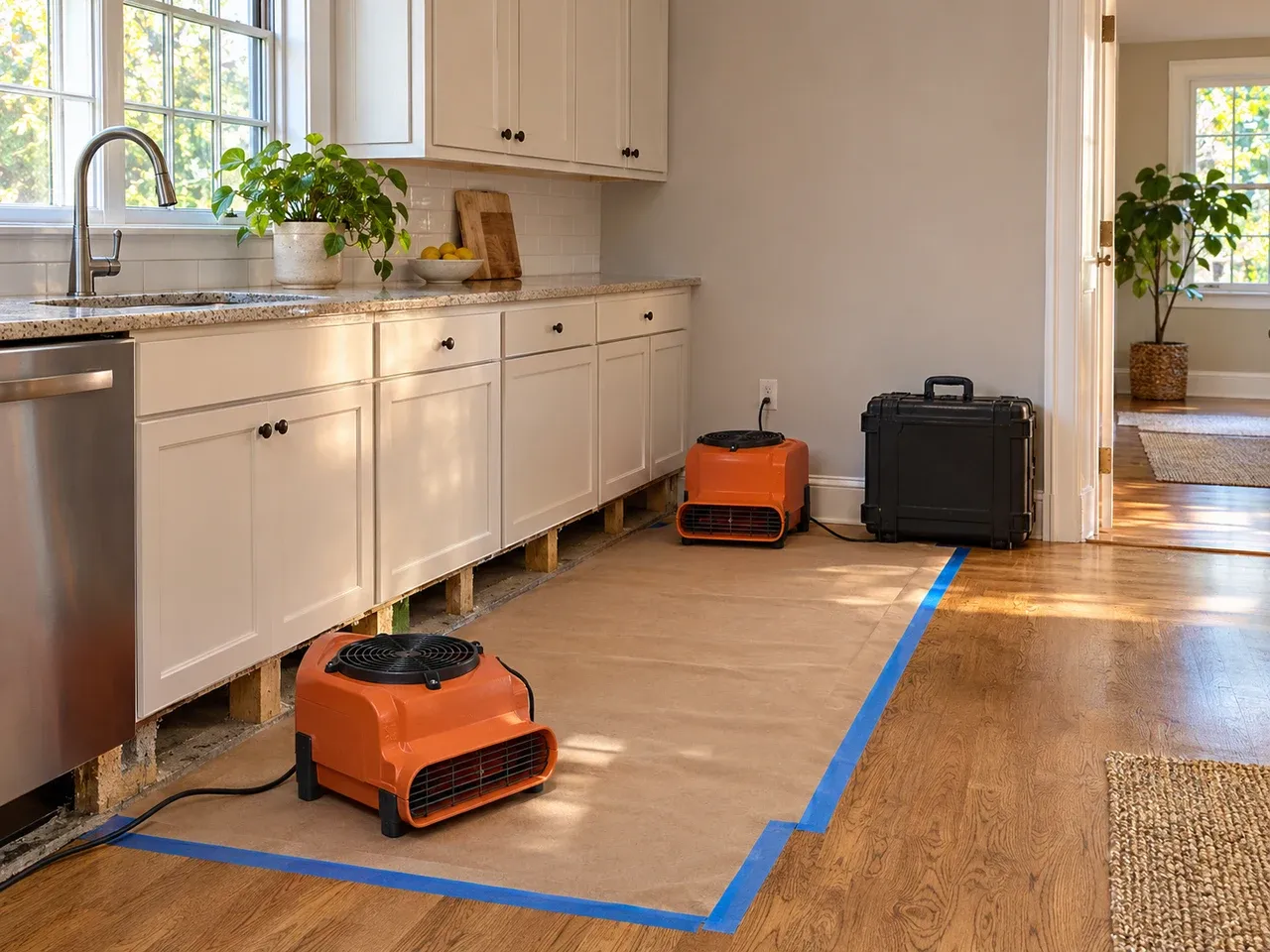
Water from a dishwasher, washing machine, or water heater can run beneath cabinets and vinyl plank flooring. The subfloor may remain wet after the surface dries.
Roof Leaks and Wet Ceilings
Brown ceiling stains, bubbling paint, or dripping water may indicate moisture above the drywall. The leak must be stopped before assessing the damage.
Standing Water in Crawlspaces
Standing water under a house, damp insulation, or a musty smell may point to a plumbing leak, drainage problem, or groundwater intrusion. The source needs to be identified before cleanup or crawlspace repairs begin.
Flooding and Sewer Backups
Floodwater may carry mud or contaminants, while a sewer backup calls for additional precautions. For water damage cleanup in Auburn, WA, identifying the water source helps determine how affected materials should be handled.
About Auburn Clearway Restoration
Auburn Clearway Restoration serves homeowners, landlords, and businesses dealing with unexpected water damage. Our work covers burst pipes, appliance leaks, sewer backups, and stormwater entering homes or commercial buildings.
We start by identifying the water source and checking which rooms and building materials are affected. Then we discuss what needs immediate attention, what may be dried, and what will require repairs. We also explain why some materials must be removed and how we monitor drying progress.
As a water restoration company serving Auburn, we work with different properties, from established South Auburn houses to newer Lakeland Hills homes. We plan water damage restoration in Auburn, WA, around the actual damage instead of using the same approach for every home.
Our Water Damage Restoration Process
Water removal is only the first stage. We inspect the damage, extract standing water, dry affected materials, and check moisture levels before completing cleanup and repairs.
Inspect the Water Damage
We identify the reported water source, examine affected rooms, and look for moisture around baseboards, cabinets, and adjoining spaces. Moisture meters help assess areas that look dry but may still be wet inside.
Extract Standing Water
We remove pooled water using extraction equipment suited to the affected area. If the loss involves sewage or floodwater, contamination guides the cleaning and material-removal plan.
Dry Wet Walls and Floors
Air movers and dehumidifiers help remove moisture from materials that can be saved. Equipment placement depends on the room, the building materials, and the amount of water involved.
Check Moisture Levels and Drying Progress
We track drying progress with moisture readings rather than relying on how a surface feels. Photos, drying records, and a written scope help show what was affected, what was done, and what still needs attention.
Complete Cleanup and Repairs
After drying, we address remaining cleanup and identify damaged materials that need replacement. We explain the difference between emergency mitigation and water damage repair so you understand the work ahead.
Can Wet Floors, Walls, and Ceilings Be Saved?
Some wet materials can be dried and saved. Others need to be removed because they are damaged or contaminated. The decision depends on the water source, exposure time, contamination, and condition beneath the visible surface.
Warped flooring, buckling boards, or a growing ceiling stain may signal damage beyond what you can see. An inspection helps determine what can be dried and what needs repair.
| Material | What we look for |
|---|---|
| Carpet and padding | How long they stayed wet, the water source, and whether the backing can be cleaned and dried |
| Drywall and insulation | Moisture inside wall cavities, softness, swelling, and contamination |
| Hardwood and laminate | Cupping, buckling, swollen edges, and water reaching the subfloor |
| Cabinets and baseboards | Moisture behind fixed units and damage to wood or composite panels |
| Ceilings | Sagging, staining, and moisture above the finished surface |
Why Choose Auburn Clearway Restoration?
24/7 Emergency Water Damage Restoration
Our emergency team takes calls day and night for burst pipes, flooded rooms, and other urgent water damage. You can request water removal and discuss the next steps after hours.
WA Registered and IICRC-Certified Technicians
Our company is registered, bonded, and insured in Washington, and our technicians hold IICRC credentials. Their training supports proper water damage inspection, extraction, and structural drying.
Moisture Inspection and a Clear Drying Plan
We check wet walls, flooring, and nearby rooms, including places where moisture may be hidden. We explain which materials can be dried and why others may need removal.
Photos, Moisture Readings, and Drying Logs
We document affected rooms and record moisture readings as drying progresses. Photos, drying logs, and written work details help you track the job and discuss it with your insurance company.
What Auburn Homeowners Say About Our Restoration Services
Sarah M.
Lakeland Hills, Auburn, WA
Our dishwasher leaked overnight, and water got underneath the kitchen flooring. The team checked the moisture, explained what needed drying, and kept us informed throughout the cleanup. I really appreciated how clearly they explained everything.
Daniel R.
South Auburn, WA
We noticed a brown stain on our living room ceiling after a bathroom pipe leaked upstairs. I was worried the entire ceiling would need replacing. Auburn Restoration Co. helped us understand where the water had traveled and which areas actually needed attention. The process was much less confusing than I expected.
Jennifer T.
North Auburn, WA
Water came into our ground-floor rooms after heavy rain, and the carpet was completely soaked. We didn't know whether the drywall could be saved or how much damage was underneath the flooring. The crew explained the water damage cleanup process without pushing us toward unnecessary repairs. They were patient with our questions and made sure we understood the next steps.
Michael B.
Lea Hill, Auburn, WA
Our water heater failed while we were away for the weekend. By the time we returned, the laundry room floor was wet, and water had reached the hallway. We contacted Auburn Restoration Co. for water damage restoration, and they walked us through what needed to happen first. What stood out was the attention to moisture we couldn't see. They checked beyond the obvious puddles and explained why some materials needed more time to dry. Having that information made the repair decisions much easier.
Rebecca L.
West Hill, Auburn, WA
I first noticed the flooring near our kitchen cabinets starting to lift, but I had no idea how much water was underneath. It turned out a plumbing connection had been leaking behind the sink. I was concerned about mold, replacing the cabinets, and whether our insurance would cover the damage.
The team took time to explain the moisture readings and showed us which areas were affected. They also helped us understand the difference between drying the materials and repairing what was already damaged. I appreciated getting straightforward answers instead of being told everything needed replacing. It made a stressful situation easier to manage, especially with two young kids at home.
Water Damage Risks in Auburn, WA
Water damage restoration in Auburn, WA may follow river flooding, storm runoff, or an indoor plumbing failure. Flood exposure differs by address.
Heavy Rain and Local Drainage
- Fall and winter rain can reveal roof leaks, clogged gutters, and drainage problems near foundations.
- Water can enter a crawlspace or lower room without a nearby river overflowing.
Green River, White River, and Mill Creek
- The Green River Valley includes lower-lying properties near the Green and White Rivers.
- Mill Creek also affects local drainage and mapped floodplain areas.
- Auburn's flood risk is concentrated in particular valley locations, not evenly spread across Lea Hill, West Hill, and Lakeland Hills.
Pipe and Appliance Leaks Year-Round
- Older plumbing, appliance connections, and water heaters can fail in established and newer homes alike.
- A kitchen supply-line leak can damage flooring and cabinets in any season.
Water Damage Mitigation vs. Repair: What's the Difference?
Homeowners often hear several terms after a leak. They describe related work, but they don't all mean the same thing.
| Service term | What it means for your property |
|---|---|
| Water damage mitigation | Immediate steps to limit further damage, including extraction and initial drying |
| Water damage cleanup | Removing water, debris, and affected material where needed |
| Water damage remediation | Addressing water-related conditions, including contamination where applicable |
| Water damage repair | Fixing or replacing damaged drywall, flooring, cabinets, and other materials |
| Water damage restoration | The full recovery process, which may involve mitigation, drying, cleanup, and repair |
If you need water damage repair in Auburn, WA, ask whether the quote covers replacing damaged flooring and drywall or only extraction and drying. Mold remediation, when needed, involves separate work and should not be confused with routine drying.
Water Damage Documentation and Insurance Claims
After a leak, your insurer may need photographs, information about the water source, and a record of damaged materials. We document affected areas with photographs, records of drying progress, and a written scope, so you can see what was done and share the details with your insurer.
A sudden pipe burst or appliance failure may be covered under homeowners insurance, depending on the policy. Gradual leaks and outside flooding are often treated differently. We explain the work performed, while your insurer determines coverage and claim payment.
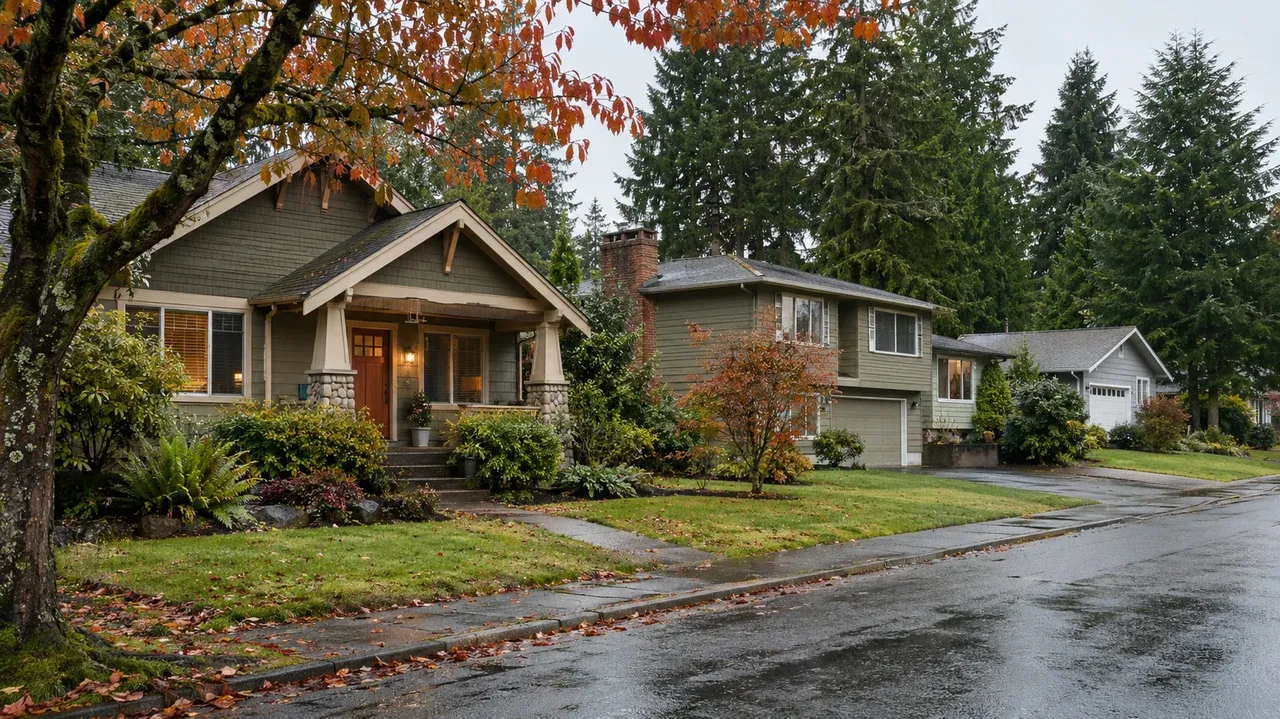
Auburn Neighborhoods We Serve
We serve homeowners, landlords, and businesses across Auburn's residential and commercial areas:
- North Auburn and Downtown Auburn:Homes, apartments, and commercial buildings.
- South Auburn:Established neighborhoods with varied property ages.
- Lea Hill and West Hill:Hillside homes where roof, plumbing, and drainage problems may differ from valley properties.
- Lakeland Hills and Southeast Auburn:Homes and growing residential communities.
Our service area includes properties in the King County and Pierce County portions of Auburn.
Water Damage Restoration FAQs
1. How quickly should I call for water damage cleanup?
Call as soon as the situation is safe. Wet drywall, carpet, and insulation can hold moisture after standing water is removed. The EPA recommends drying water-damaged materials within 24–48 hours when possible to reduce mold risk.
2. Should I call a plumber or a water restoration company first?
Call a plumber if a broken line needs repair. A restoration crew removes the water and checks affected building materials. With a major pipe leak, you may need both.
3. How long does structural drying take after a leak?
It depends on the amount of water, room conditions, and materials affected. Fans and dehumidifiers may run for several days. Moisture readings help determine when drying is complete; a surface that feels dry may still be wet underneath.
4. Can water under vinyl flooring or inside a wall dry on its own?
Sometimes moisture can escape, but trapped water may remain beneath flooring or behind drywall. An inspection helps determine whether drying equipment or material removal is needed.
5. Will my homeowners insurance cover water damage restoration in Auburn, WA?
Many policies cover sudden, accidental losses such as a burst pipe, subject to policy terms. Gradual leaks and river flooding may be excluded or require separate coverage. Ask your insurer about your deductible and claim requirements.
6. What should I do if there is standing water in my crawlspace?
Stay clear if water has reached electrical equipment or may contain contaminants. The next step is to find the source, which could be a plumbing leak, groundwater, or a drainage issue. The cleanup depends on what is wet and how long the water has been there.
7. How much does water damage repair cost?
Cost depends on the damaged area, contamination, drying needs, and whether flooring, drywall, or cabinets need replacement. Request a clear scope separating emergency mitigation from repairs.
8. Can I clean up sewage or river floodwater myself?
No. Sewage and outside floodwater can contain contaminants. Avoid contact and seek professional assessment before trying to dry or reuse affected materials.
Get Help With Water Damage Restoration Auburn, WA Today
If a pipe has burst, carpet is soaked, or water is coming through the ceiling, call Auburn Clearway Restoration for 24/7 emergency response, water removal, structural drying, and water damage repair.